
International Movers Vancouver
Need international movers in Vancouver? Always Best Moving runs the Vancouver end of your overseas move: export packing, wood crating, the container load, and the customs paperwork, with the price agreed up front and put in writing before we start. We are based downtown at 422 Richards Street, rated 4.9 stars across 102 reviews, with phones on 24 hours a day. An overseas move is really two jobs. One is freight, the container and the ocean lane. The other is a Vancouver move, with the same elevator bookings, insurance certificates, and street permits as any move in this city. We do the second job in person and put the first one in writing before you commit.
Free moving quote
The Port City Advantage
The Port of Vancouver runs 29 deep-sea and domestic marine terminals, four of them container terminals: Centerm, Vanterm, Deltaport, and Fraser Surrey Docks. Container traffic runs about 3.5 million TEU a year, the twenty-foot units ports count in, on lanes that trade with more than 170 world economies. Shared-container service to the world’s major ports is a standard offer among Vancouver international movers, so even a one-bedroom load has a way onto the water without paying for a whole container.
The part that still needs boots on the ground is the Vancouver end. Your goods leave a real building with real rules: a service elevator booked in a 4-hour block, a certificate of insurance the strata wants on file, a street with no loading zone that needs a City permit, a parkade too low for a truck at 2.0 metres of clearance. None of that changes because the destination is overseas, which is why you want a mover who works Vancouver buildings every day.
What an Overseas Move From Vancouver Actually Takes
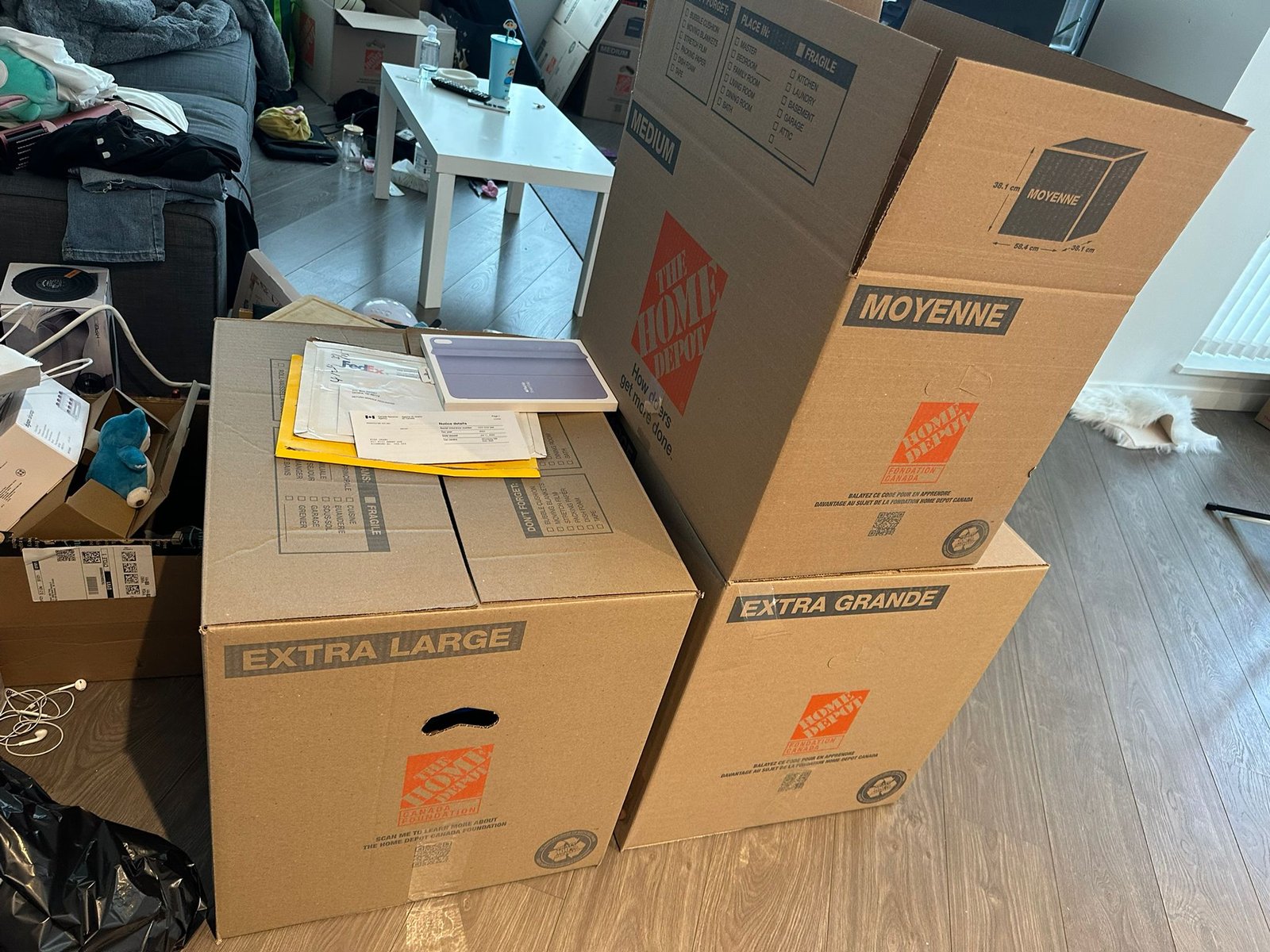
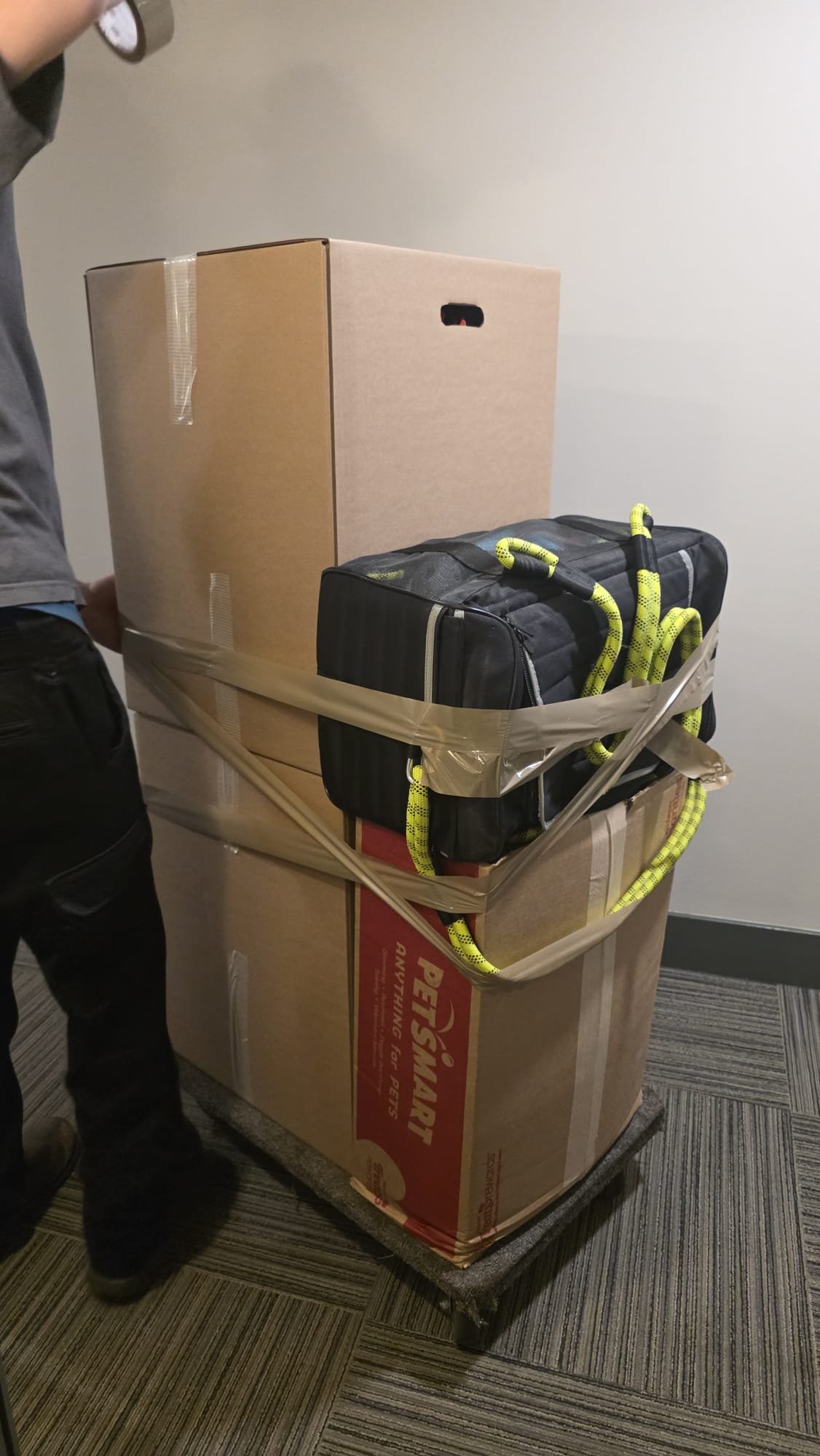
Take a common case in this market: a two-bedroom Yaletown condo headed to Europe. The load fits a 20-foot container, so the first choice is full or shared. Full means the box is yours: faster transit, fewer hands on your goods. Shared means you pay for the space you use, but the goods wait in a consolidation warehouse until the container fills, and on a slow lane that wait adds up. Ocean transit to Europe runs 3 to 6 weeks in this market’s published windows once the container sails. Booking starts 6 to 12 weeks out, because the lane, the packing dates, and the elevator block all have to land in the right order.
Then the load has to be built for an ocean, not a drive across town. Export packing means export-grade wrap and padding on the furniture, a tagged inventory line for every item, and custom wood crates for art, glass, and stone. Those crates carry a legal rule most people have never heard of: ISPM 15. Over 80 countries require imported wood packaging to meet it, and a crate without the stamp can get a shipment refused at the destination port, sent back to Canada, or destroyed.
The paperwork runs in parallel: a detailed inventory list, your passport and ID, visa or residency papers, the destination country’s declaration forms, and a value assessment of the goods. On the day, the crew pads the elevator, wraps and loads, and the container heads to the terminal. At the other end, a destination partner clears customs, delivers to the residence, unloads, unpacks, and hauls the packing waste away. Door-to-door means you do not chase any leg of that yourself.
Our International Moving Services in Vancouver
Ocean freight is how most households move overseas, because it costs far less than air. A full container load gives you a dedicated container, faster transit, and fewer handling points. A 20-foot container holds 1,169 cubic feet and suits a one or two-bedroom home. A 40-foot container holds 2,385 cubic feet and suits a three to five-bedroom house, or a car plus a two-bedroom load. A shared container sells you space alongside other shipments. It costs less for a small move, but your goods wait in a consolidation warehouse until the container fills. We help you pick based on the cubic feet you actually own, not a guess.
Sea freight, full container or shared
Ocean freight is how most households move overseas, because it costs far less than air. A full container load gives you a dedicated container, faster transit, and fewer handling points. A 20-foot container holds 1,169 cubic feet and suits a one or two-bedroom home. A 40-foot container holds 2,385 cubic feet and suits a three to five-bedroom house, or a car plus a two-bedroom load. A shared container sells you space alongside other shipments. It costs less for a small move, but your goods wait in a consolidation warehouse until the container fills. We help you pick based on the cubic feet you actually own, not a guess.
Air freight for the urgent load
Air is much faster than the ocean and much more expensive, so it fits the short list, not the whole house. This market uses it for electronics, a high-value art piece, or documents you need at the other end fast. A common split is a small air shipment with the things you need in the first weeks, while the rest rides the container. We pack the air load separately, with its own inventory, so customs sees two clean lists.
Export packing and certified crating
Export packing is a level up from a local wrap-and-load, and it is the same crew discipline behind our home packing services. Furniture gets export-grade wrap and padding. Every item goes on a tagged inventory. Fragile pieces get custom wood crates built from stamped, heat-treated lumber that passes ISPM 15 inspection at the destination port.
Customs paperwork help
Every destination country checks its own forms, and the stack has to match the load. We help you build the document set, fill in the declarations, and match the inventory line by line to what is actually in the container, because a mismatch is what holds a container at the dock. From there the destination end is coordinated door to door, so the goods are cleared and delivered when they land.
Door-to-door coordination and storage
Door-to-door means one plan from your Vancouver address to the new one: pickup at your home, transport to the port, the ocean or air leg, customs clearance, then delivery, unloading, unpacking, and packing-waste removal at the far end. If your ship date and your lease date do not line up, your packed goods can hold at our storage facility in downtown Vancouver until the container is booked.
Built for a Vancouver move
We run the building side like a local move
Your container load day still happens in a Vancouver building. Most towers hand you the service elevator in a 4-hour block, and strata buildings want a certificate of insurance on file first. We file the certificate of insurance your strata requires, book the slot on the building’s timeline, and plan the load around it.
We pull the City permit when the street has no loading zone
On a Kitsilano or West End block with nowhere legal to park a truck, we reserve curb space with a City of Vancouver street-occupancy permit. The City takes 7 to 10 business days to process it, so we start it early. Your load day should not open with a parking ticket.
Protection materials on every load
Blankets on the elevator walls, runners down the hallway, Masonite over hardwood, padding on the door frames, and export wrap on the furniture itself. The goods have an ocean to cross. The wrap that survives a ship starts in your hallway.
Straight pricing and a 4.9-star record
One quote for the Vancouver-side work, agreed before we start. Written numbers for the freight legs. Behind that sits a 4.9-star record across 102 reviews and a downtown base at 422 Richards Street, with phones answered around the clock. No mystery invoices at either end of the ocean.
How We Price an International Move
One pricing story, told straight. The Vancouver-side work, meaning the packing, crating, loading, and the run to the port, comes with a clear, no-obligation quote. We agree it up front and put it in writing before we start. That quote covers the crew, the truck, and the basic equipment: dollies, straps, blankets, and runners. We go over the job with you first, so the things that shape the number are on the table from the beginning, like a stair carry in a walk-up or a long push from a far loading dock. No guesswork, no surprise at the end.
The freight legs are separate, and we name them up front. Ocean or air freight for your lane, crating materials, insurance, and destination charges all go into the written quote before you commit, so the total is a number on paper, not a promise over the phone. Insurance comes in the forms this market offers: basic transit coverage, full-value protection, and high-value item coverage.
- Free, no-obligation quote up front
- The breakdown in writing before we start
- No mystery number over the phone, no surprise at the tailgate
Nine Tips Before You Ship Overseas
Book the lane before anything else
This market recommends 6 to 12 weeks of lead time, and 3 to 6 months for a big move. Everything else schedules around the ship.
Choose the ocean unless the calendar forces air
Sea freight costs far less. Fly the few things you need in the first two weeks and ship the rest.
Purge hard before you pack
Every cubic foot crosses the ocean with you. A smaller load can drop you from a 40-foot container to a 20-foot one, or from a full container to shared space.
Measure the long pieces
Shared-container loads often ride in lift vans, wooden boxes about 86 inches long. A long sofa will not fit and needs its own plan.
Ask for the ISPM 15 stamp on every crate
An unstamped crate can get the whole shipment refused, returned, or destroyed at the port.
Keep your papers on your body, not in the box
Passport, visa, and the inventory originals travel with you, never inside the container.
Match the inventory to the load
Customs reads the list. A tagged inventory that matches what is in the container is what keeps it off the inspection pile.
Plan the gap week by week
Europe runs 3 to 6 weeks on the water in this market, Australia and New Zealand 4 to 8. Pack a carry-with-you kit that covers the wait.
Clear out what is not going
An overseas move leaves a bigger leave-behind pile than a local one. Our move-out junk removal crew can strip the suite the same day we load.
A 4.9-star record across 102 reviews
“Excellent service and very good pricing! I would highly recommend them to anyone looking for a moving company in Vancouver.”
“Recently hired this business. They responded quickly & professionally. Service was on time. Handled with care. Highly recommend. Will be repeat customer if needed. Thank you Always Best Moving.”
“Very helpful, friendly and were able to deliver a very heavy awkward piece for us. Pricing was very competitive and would use them again. Thanks!”
Frequently asked questions
How long does an overseas move from Vancouver take?
It depends on the lane. Typical windows quoted in this market: the USA runs a few days to 2 weeks, Europe 3 to 6 weeks by ocean, Asia 2 to 5 weeks, Australia and New Zealand 4 to 8 weeks, the Middle East 4 to 7 weeks. Your booked lane comes with its own window, in writing.
When should I book international movers in Vancouver?
The standard advice in this market is 6 to 12 weeks ahead, and 3 to 6 months for a large or complex move. Less than 4 weeks can be done, but you take whatever lanes are left.
Should my things go by sea or by air?
Sea for the household, air for the short list. Ocean freight carries most moves and costs far less. Air is much faster and much more expensive, best for the few things you need right away.
What is the difference between a full container and a shared container?
A full container load (FCL) is yours alone, with faster transit and fewer handling points. A shared container (LCL) costs less for a small move, but your goods wait in a consolidation warehouse until the container fills. As a size guide, a 20-foot container suits a one or two-bedroom home and a 40-foot suits a three to five-bedroom house.
What customs documents will I need?
The usual stack is a detailed inventory list, your passport and ID, your visa or residency papers, the destination country’s customs declaration forms, and a value assessment of the goods. We help you fill them in, and the destination end is coordinated door to door.
What is ISPM 15 and does my crate need it?
It is the international standard for wood packaging. Over 80 countries require it for imports. The wood must be debarked and heat treated to at least 56 degrees Celsius for 30 continuous minutes through the core, then stamped by a facility registered under the CFIA’s Heat Treated program. Without the stamp, the destination port can refuse, return, or destroy the shipment.
Do you handle my building on load day?
Yes. We book around your service elevator block, file the certificate of insurance your strata requires, and pull a City of Vancouver street-occupancy permit when your street has no loading zone. That permit takes 7 to 10 business days to process, so tell us early.
Can you store my things until the ship date?
Yes. Your packed and inventoried goods can hold in our downtown Vancouver storage and load out when the lane is ready. That keeps your lease date and your ship date from fighting each other.
How is an international move priced?
You get a clear, no-obligation quote for the Vancouver-side work, agreed up front and put in writing before we start. That quote covers the crew, the truck, and the basic equipment. The freight legs, meaning ocean or air freight, crating materials, insurance, and destination charges, are quoted in writing too, so you see the whole number before you commit. No guesswork and no surprise at the end.
Tell us the destination, the size of the home, and your dates, and we build the plan: sea or air, full or shared container, the crate list, and the paperwork stack, with every number in writing before a single box is packed. Moving within Canada instead? We run long-distance moving across Canada on the interprovincial lanes too.
One quote agreed up front and in writing, the freight legs priced in writing too, the crates stamped, the paperwork done right the first time.
Areas We Serve
Downtown · Yaletown · West End · Coal Harbour · Kitsilano · Mount Pleasant · every Vancouver neighbourhood we cover
Other Moving Services
Local Movers Vancouver · Piano Movers Vancouver · Commercial Office Moving · Moving Supplies · Storage
Areas we serve across Vancouver
We load and unload across Vancouver, from Downtown, Gastown and the West End to Mount Pleasant, Strathcona and Olympic Village. See every area we serve.
Want the bigger picture? Browse all our long distance moving.
Ready to book your move?
Get a free quote with the plan and the price agreed before we start.