
Moving and Storage Service Vancouver
Need moving and storage in Vancouver? Always Best Moving Vancouver stores your things between the move out and the move in, whether that is a few days between closings or a few months in a climate-controlled warehouse, and one crew handles both legs. We are based downtown at 422 Richards Street, rated 4.9 stars across 102 reviews. This page is the map to our storage services. Below you will find short-term storage for the gap between possession dates, long-term warehouse storage, packing, and clearing out what you should not pay to store.
4.9 stars across 102 Google reviews · Open 24-7 · Based at 422 Richards St
Vancouver moves rarely line up cleanly. You sell, you buy, and the two closing dates do not match. A downtown high-rise wants the service elevator booked weeks out, and your new building wants its own slot on a different day. Storage is what lets you decouple the two. We pack and load once, hold your things safe, and deliver when your new place is ready. That beats a double move into a short-term rental and back out again, which doubles the handling.
What Moving and Storage Covers in Vancouver
"Moving and storage" is not one thing. It is a small family of services that all solve the same problem: your stuff and your home are on different schedules. The move part is the crew, the truck, and the building access. The storage part is a safe, dry place to keep everything in between. In this city the two are tied together tightly, because our real estate closings shift, our buildings have strict move windows, and our winters are wet.
There are two main kinds of storage in a move. Storage-in-transit is short. Your things are held between pickup and final delivery under one plan, usually several days to a few weeks, for a closing delay, a renovation, or a work-schedule gap. Long-term storage is for when delivery is not expected soon, so your things sit weeks to months or longer, for a downsizing, a long stay in temporary housing, or a new build that is running late. This hub covers both, plus the packing that goes in front of storage and the junk removal that keeps you from paying to store things you do not want.
People here store mid-move for a handful of real reasons. You sold your current home but the new place is not ready. Closing dates shifted and your possession times do not line up. You are downsizing and want time to decide what to sell instead of forcing the call on moving day. You are staging the home for sale, so you clear out the extra furniture to make rooms show larger. You are renovating and want the furniture out of the dust and the pathways clear for the trades. Every one of those is a normal Vancouver move, not an edge case.
A Typical Between-Closings Move in Vancouver
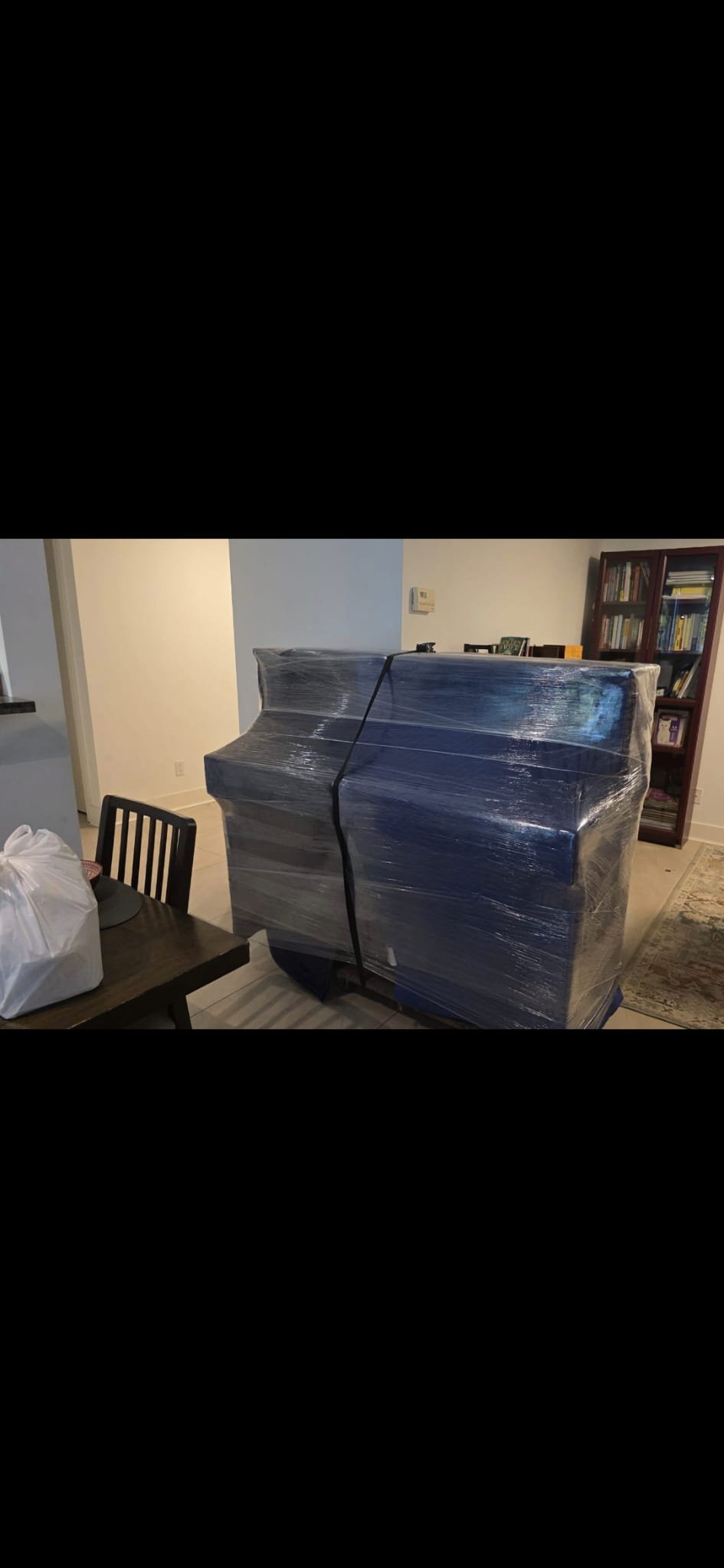
Here is how a common one runs. You are leaving a West End concrete high-rise and buying a townhouse in Mount Pleasant. Your sale closes on the last Friday of the month, which is peak season, so every elevator slot in the building is spoken for. Your purchase does not complete until the following Wednesday. That is a five-day gap with nowhere to put a two-bedroom home.
Storage closes the gap. We book your West End service elevator in its 4-hour block, file the certificate of insurance the strata wants naming them as additional insured, and load the truck on the Friday. Your things go into our climate-controlled, dehumidified warehouse over the weekend. On the Wednesday we deliver to Mount Pleasant, and if that street has no loading zone we pull the City of Vancouver street-occupancy permit ahead of time so the truck has a legal spot. One crew, one inventory, two dates that never had to match. You did not rent a truck twice or carry your couch through a lobby three times.
Our Moving and Storage Services
Short-Term Storage Between Closings
This is the gap service. Your things are held for the days or couple of weeks between move out and move in, under one coordinated plan. We keep the same inventory list from the day we load to the day we deliver, so nothing gets lost in the shuffle. Real estate dates move, so tell us the gap as soon as your closings firm up, and tell us again the moment they shift. We give you the storage hold terms in writing before you commit, so there is no guessing on the back end.
Long-Term Warehouse Storage
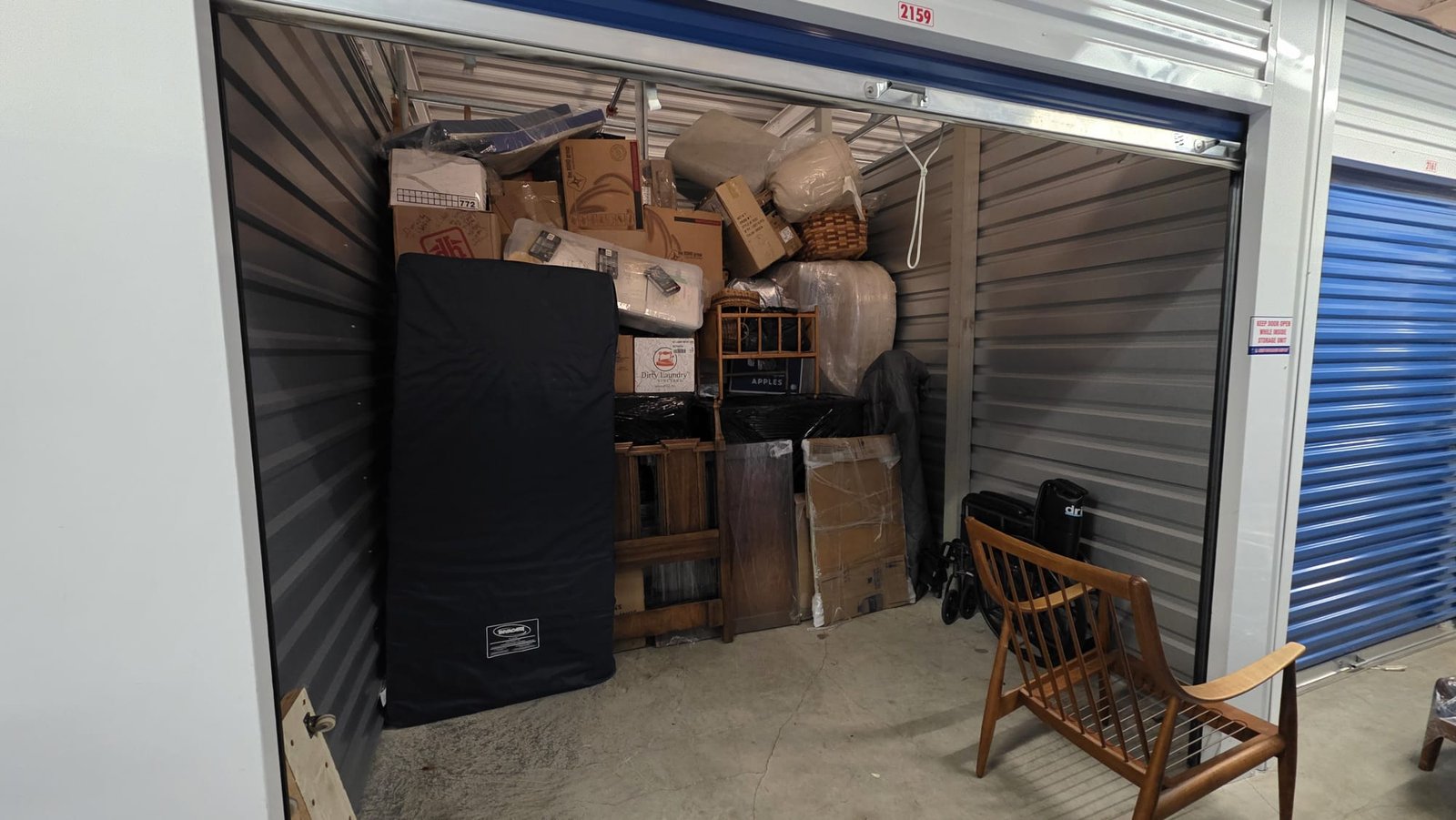
For a longer hold, weeks to months, your things go into vaulted warehouse storage. Each load is wrapped and padded, then packed into a sealed wooden storage vault. A standard vault runs about 5 by 8 feet and 7 feet tall, holds up to 2,000 pounds, and gives roughly 220 cubic feet of space. The vaults sit on pallets so a forklift can move and stack them, which keeps your things off the floor and organized. The warehouse is heated, dry, and dehumidified, which matters in a wet Vancouver winter, because temperature control alone does not stop damp from reaching wood furniture and electronics. Everything is catalogued into an inventory system as it is loaded in, so retrieval is simple when you are ready. For dedicated furniture and warehouse storage, see the Storage Facility Vancouver page.
Packing Before It Goes Into Storage
Things that sit in storage need to be packed better, not worse, because they get handled twice and stacked. We pack the fragile items, wrap the furniture, and label the boxes so the delivery day is fast. You can hand us the whole house or just the kitchen and the art. Full detail is on the Packing Services page.
Junk Removal So You Store Less
Storage costs money by the month, so the smart move is to not store what you do not want. Before we load, we haul away the broken furniture, the old mattress, and the boxes of things you already decided to let go. You pay to keep what matters, not to warehouse clutter. See Junk Removal.
Commercial and Inventory Storage
Businesses store too. Between an office move and a new lease, or for stock and equipment that does not fit the floor plan, we hold business inventory and assets on flexible terms. It runs on the same secure, climate-controlled warehouse as the household work.
Why Vancouver Chooses Always Best Moving Vancouver for Storage
One crew and one inventory across both legs
You do not hand off to a self-storage counter and hope. We load it, we store it, we deliver it, and the same inventory list follows your things the whole way. Fewer handoffs means fewer things to go wrong.
Climate-controlled and dehumidified, not just heated
Vancouver is wet. Temperature control on its own does not keep damp off wood furniture, leather, and electronics. Our storage is dehumidified as well as climate-controlled, which is the part that actually protects long-term.
We handle the building access on both ends
Storage does not remove the strata rules, it splits them across two dates. On the store-it leg and the deliver-it leg we book the service elevator, file the certificate of insurance the strata wants (whatever coverage the strata asks for), and pull the City street-occupancy permit where a street has no loading zone. That permit needs 7 to 10 business days, so we start it early.
Straight terms, in writing
You get the storage hold terms up front, before you commit, so you know the rate and the maximum hold period going in. No surprise line item when you come to collect.
A 4.9-star record across 102 reviews
No marquee-client name-drops. Just a steady book of Vancouver moves and stores done without the damage claims and the surprise invoices.
How We Price Moving and Storage
The move itself is quoted up front in writing, not a number we guessed at over the phone. The quote covers the crew, the truck, and the basic equipment: dollies, straps, blankets. Before we start you get the breakdown in writing, including the access, like a stair carry in a no-elevator walk-up or a reserved parking permit.
Storage is its own line. We give you the hold terms in writing before you commit, so the rate and the maximum hold period are clear from the start. For context on what storage costs in this city, self-storage lockers in Vancouver run roughly $90 to $120 a month for a small 5 by 5 unit and $200 to $270 for a 10 by 10, with climate control and downtown locations at the top of that range. Those are market numbers to help you plan, not our quote. Ours comes to you in writing once we know the size of your load and the length of your hold.
Nine Tips for Storing Things During a Vancouver Move
Step 1
Confirm both closing dates before you book, then tell us the exact gap in days.
Step 2
Tell us again the moment a date shifts, because real estate closings move often.
Step 3
Pack for storage, not just for the drive. Boxes get stacked and handled twice.
Step 4
Cut what you will not want first, so you are not paying by the month to store clutter.
Step 5
Choose dehumidified storage, not just heated, for wood, leather, and electronics in our wet season.
Step 6
Keep the essentials with you: documents, medication, a few days of clothes, chargers.
Step 7
Label boxes with the room they go to, so delivery day is fast at the new place.
Step 8
Book early in month-end and the July to August window, when elevator slots and crews fill first.
Step 9
Get the storage hold terms in writing before you commit, including the maximum hold period.
Frequently Asked Questions
What is the difference between short-term and long-term storage?
Short-term storage, sometimes called storage-in-transit, holds your things between pickup and delivery under one plan, usually several days to a few weeks, for a closing gap or a short delay. Long-term storage is for when delivery is not expected soon, so your things sit weeks to months or longer in the warehouse. We do both.
My closing dates do not line up. Can you store my things in between?
Yes, that is one of the most common reasons people call us. We load on your move-out date, hold everything in our warehouse, and deliver on your move-in date. One crew and one inventory list cover both, so you are not renting a truck twice or double-handling your furniture.
How are my things kept safe in storage?
For a longer hold, your things are wrapped and padded, then sealed inside wooden storage vaults. A standard vault is about 5 by 8 feet and 7 feet tall and holds up to 2,000 pounds, roughly 220 cubic feet. The vaults sit on pallets and are stacked with a forklift, so nothing sits on the floor. The warehouse is heated, dry, and dehumidified.
Is the storage climate-controlled?
Yes, and it is dehumidified too. In Vancouver that second part matters. Our wet winters push damp into wood furniture, leather, and electronics, and temperature control on its own does not stop that. Dehumidification does.
Do you keep an inventory of what is stored?
Yes. Everything is catalogued into an inventory system as it is loaded in, so we know what is in the warehouse and retrieval is simple when you are ready for delivery.
How much does storage cost?
We give you the storage hold terms in writing before you commit, once we know the size of your load and the length of the hold. For market context, self-storage lockers in Vancouver run about $90 to $120 a month for a small unit up to $300 to $400 for an extra-large one, with climate control and downtown locations at the top. That is a planning range, not our quote.
How long can you hold my things?
From a few days to several months or longer, depending on what you need. We set the maximum hold period with you in writing up front so there are no surprises.
Do you store business inventory too?
Yes. We hold business inventory, equipment, and assets on flexible terms in the same secure, climate-controlled warehouse we use for household storage, which is handy between an office move and a new lease.
Ready to book your move?
Real crews, real hours, full breakdown in writing before we start.
Downtown · Yaletown · West End · Coal Harbour · Kitsilano · Mount Pleasant (see Areas We Serve index)
Storage Services (child pages under this hub)
Other Moving Services
Downtown base, city-wide crews
422 Richards St, Vancouver, BC V6B 2Z4
236-885-7710 · Open 24 hours, 7 days
Ready to book your move?
Real crews, real hours, full breakdown in writing before we start.
236-885-7710